
A septic tank inspection can significantly influence the budget for buying a rural house in France. It can reveal whether an individual wastewater installation is functioning correctly, requires maintenance or needs compliance work. The financial consequences depend on the inspection findings and the agreement between buyer and seller, rather than a single standard replacement price.
In France, these inspections are generally handled by the Service Public d’Assainissement Non Collectif (SPANC). Understanding its report, the applicable deadlines and the responsibilities attached to outstanding work can help you assess a property’s real financial commitments before completing the purchase.
What Does a Septic Tank Inspection Actually Check in France?
The first point to establish is whether the property is connected to the public sewerage network or uses an individual wastewater treatment system. French regulations distinguish between assainissement collectif, which involves public sewerage, and assainissement non collectif, which covers privately managed wastewater installations.
A septic tank is one possible component of an individual sanitation system, but not every rural property uses an identical arrangement. The relevant inspection is therefore an assessment of the property’s actual wastewater installation, not simply a check of a conventional tank.
The SPANC is the local public service responsible for monitoring individual sanitation systems. Its inspection examines several aspects of the installation, including:
- Whether an individual wastewater installation exists and can be accessed.
- Whether its components function correctly.
- Whether its condition and capacity are appropriate for the property.
- Whether maintenance is adequate.
- Whether identifiable defects create health hazards or environmental risks.
The resulting report provides important information about the installation’s condition and any required work. However, it should not be mistaken for a comprehensive independent engineering survey or a guarantee that the system will never need further maintenance.
What Septic Tank Costs Should You Include in Your Budget?
The financial impact depends on what the inspection actually identifies. A system requiring routine maintenance presents a different situation from one with significant defects or outstanding compliance requirements. It is important to distinguish the possible expenses rather than automatically budgeting for complete replacement.
| Expense category | What it covers | Budget consideration |
|---|---|---|
| SPANC inspection | Official assessment of the individual sanitation installation. | Check the applicable local charge and whether a valid report already exists. |
| Routine maintenance | Ordinary maintenance needed to keep the installation functioning. | Establish maintenance history and the actual work required. |
| Repairs | Correction of specific faults identified during assessment. | Obtain an itemised professional quotation. |
| Compliance upgrades | Work required to address identified regulatory or technical deficiencies. | Confirm the scope, deadline and contractual responsibility. |
| Full replacement | Replacement of an installation where technical findings justify it. | Do not assume replacement is necessary without professional assessment. |
These categories are possible types of expenditure, not a list of costs that every buyer must pay. For example, a maintenance issue does not automatically mean that the entire installation needs replacing. Similarly, a significant malfunction may require more extensive work than a straightforward maintenance intervention.
To build a realistic purchase budget, start by identifying the defects and required work in the SPANC report. Separate routine maintenance from repairs and mandatory compliance work, then ask an appropriately qualified professional to confirm the necessary intervention and provide an itemised quotation covering materials, labour and relevant site requirements. Establish which expenses will remain your responsibility under the sale agreement and when they must be paid. You can then assess these additional commitments alongside the purchase price and other acquisition expenses before negotiating. A quotation relates to the particular installation and property; it should not be treated as a standard national cost.
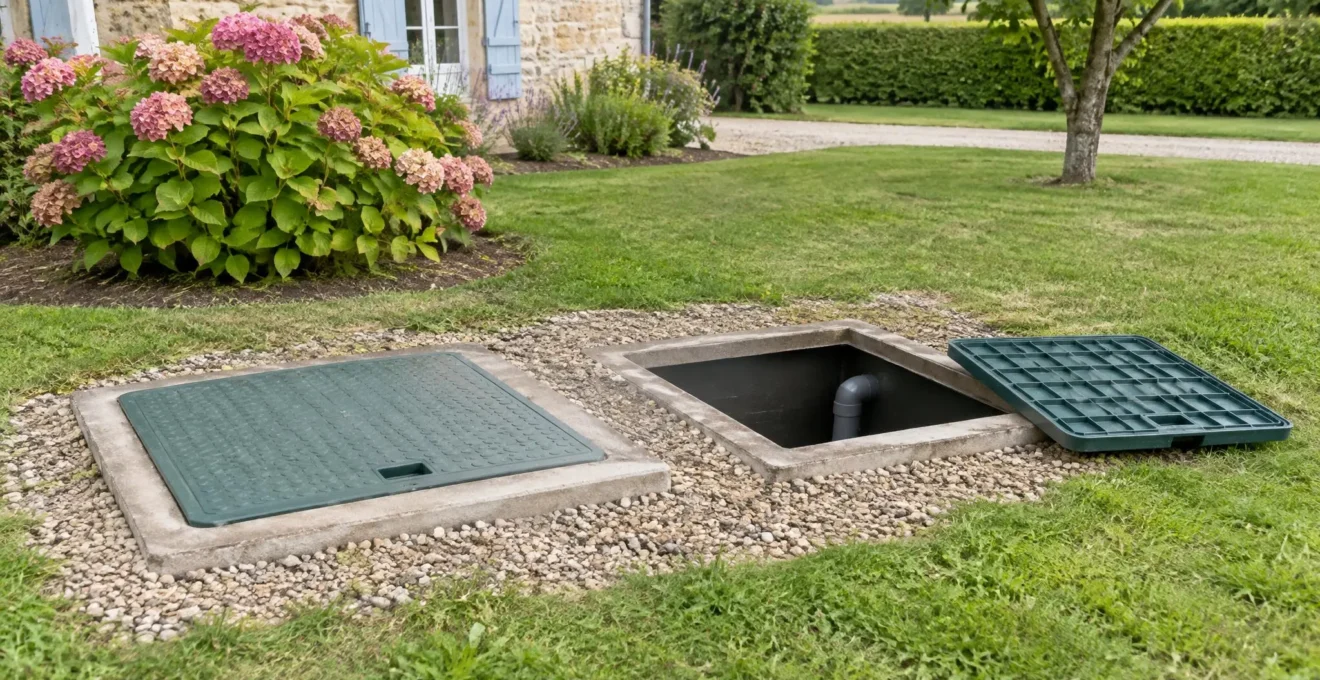
Who Pays for Septic Tank Repairs After the Sale?
One of the most important aspects of a French property purchase is understanding the difference between paying for the inspection and paying for the remedial work it identifies. These are separate responsibilities.
For a property that is not connected to the public sewerage network, the SPANC inspection report must be less than three years old on the date the authentic deed of sale is signed. If the report is missing or outdated, the seller is responsible for arranging and paying for the required inspection.
The official French sanitation guidance also explains the obligations associated with an installation that requires compliance work. The distinction between work completed before the sale and work left outstanding is particularly important.
When the seller completes the work before the sale
If the seller completes the required compliance work before the sale, the seller is responsible for the associated costs. Alternatively, the property may be sold with outstanding work, which must be disclosed and addressed in the transaction arrangements. The buyer should nevertheless review the available documentation and establish what work has actually been completed rather than relying solely on a verbal assurance.
When the property is sold with outstanding work
A property can still be sold when its individual wastewater installation requires compliance work. The seller and buyer may agree to proceed with the outstanding work reflected in the transaction arrangements. In this situation, the buyer must arrange the required work within one year after the authentic deed of sale.
This one-year period is an important budget consideration. A buyer accepting an installation with outstanding obligations should establish the likely cost and arrange suitable funding before completing the purchase. The purchase agreement should make the allocation of responsibility clear.
An unfavourable report does not automatically make a property unsaleable. However, accepting outstanding work without understanding its scope, cost and deadline can create an avoidable financial and administrative burden.
For additional context on the administrative framework, Notaires de France guidance explains municipal wastewater responsibilities and the notaire’s role in property transactions. For the applicable compliance deadlines and allocation of work, refer to the specific requirements set out in the official French government guidance.
What Should You Check Before Buying a Rural French House?
Before committing to a property, use the wastewater report as part of your wider purchase assessment. The aim is to establish what system is present, what condition it is in and whether any outstanding work could affect your finances or completion arrangements.
If you are considering a rural purchase in this part of France, comparing available properties is a useful first step in narrowing down your search. You can browse houses and rural properties for sale in Limousin, then examine the sanitation arrangements and inspection documents for each property individually.
A local point worth checking SPANC services are administered locally. The responsible service, its procedures and applicable charges must be checked using the property’s exact municipality. A tariff published by one intermunicipal authority is not a national or Limousin-wide average.
Use the following checks to establish the property’s situation before signing:
- Confirm whether the property is connected to public sewerage or uses an individual wastewater installation.
- Request the latest SPANC inspection report.
- Check that the report is less than three years old at the authentic deed of sale.
- Read the findings and identify any required compliance work.
- Request maintenance records and clarification of identified faults.
- Obtain itemised quotations for necessary repairs or upgrades.
- Identify the competent local SPANC service and check its applicable procedures.
- Ask the notaire to clarify contractual responsibility for outstanding work and the applicable deadline.
Where the report identifies a technical problem that is difficult to interpret, an appropriately qualified sanitation professional can help establish the necessary intervention. The SPANC report provides the regulatory assessment, while a detailed quotation helps translate the identified work into a realistic budget.
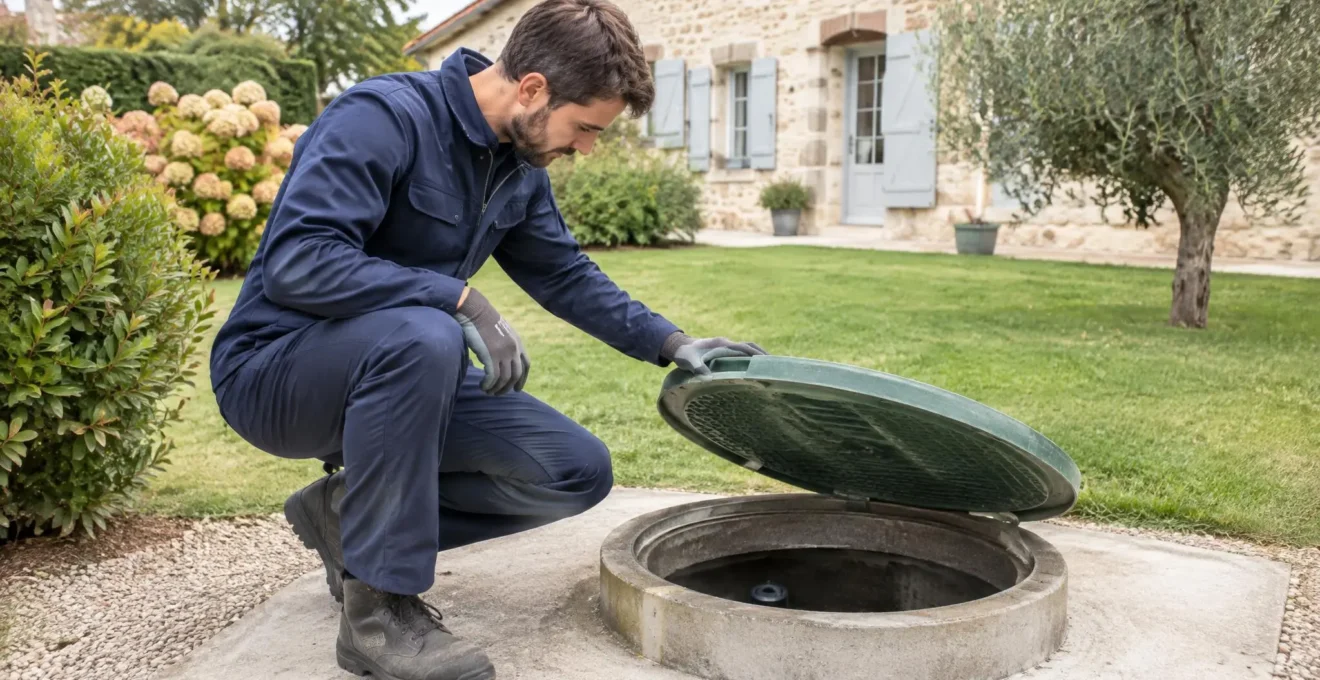
It is also worth considering the timing of the purchase. If the buyer accepts responsibility for outstanding compliance work, the one-year deadline begins after the authentic deed. Obtaining quotations and clarifying the contractual arrangements beforehand helps prevent the deadline from becoming an unexpected financial pressure.
A septic tank inspection is a budget-planning tool, not an automatic indication that an installation must be replaced. The SPANC report identifies the relevant findings and obligations, while professional quotations establish the likely expense of necessary work. The agreed sale terms determine how those costs are allocated, and the applicable deadlines determine when funding will be needed. Considering these elements together allows buyers to judge whether a rural French property remains affordable and whether the purchase terms adequately reflect the work required.